The Back-to-School Playbook for Churches
Everyone plans for Easter and Christmas. But there's a third attendance spike coming in mid August, and most churches let it slip right by. Here's how to launch a series, promote it well, and actually keep the families who show up.


Everyone circles Easter and Christmas on the calendar. But there's a third spike coming in mid August, and most churches let it pass right by. Here's how to actually be ready when back to school season fills your parking lot with new faces.
Your Biggest Growth Window Might Not Be When You Think
Every church knows about Easter. Everybody plans for Christmas. The extra chairs come out, the invite cards get printed, and the whole team braces for the big Sunday.
But there's a third spike on the calendar, and hardly anyone plans for it.
It's mid August. Back to school season.
It doesn't look like Easter. There's no single packed Sunday where the lobby is wall to wall. Instead, it builds. School starts, summer travel ends, and families snap back into routine. Kids have bedtimes again. Weekends have structure again. And a lot of families who drifted over the summer, or who just moved to town for a new job or a new school district, start asking the same quiet question: where are we going to church this fall?
The churches that grow in the fall aren't lucky. They saw this coming and they were ready. Here's what ready looks like.
Start a Sermon Series They Can Walk Into
The single best thing you can put on the calendar for mid August is a brand new sermon series. Not week four of something. Week one.
Think about it from a guest's perspective. Showing up to a church for the first time already feels like walking into a movie halfway through. If the pastor opens with "last week we covered chapter six," that feeling gets worse. But if everyone in the room is starting something new together, the guest is on equal footing with the person who's been there twenty years. That matters more than we give it credit for.
A few things that help:
Pick a topic that meets the season. Families in August are thinking about routine, priorities, stress, margin, and starting fresh. A series about rhythms, family, or new beginnings will land a lot harder than a deep dive into Leviticus. There's a time for the deep dive. This isn't it.
Give it a real name and a real look. A series called "New" with clean graphics is something people will actually share and invite friends to. "A Study in Philippians, Part 1" is not. You don't need a design team, either. Canva and a free template will get you most of the way there.
Launch it the first or second Sunday after school starts. Check your local district's calendar and build backwards from that date. Not the church calendar. The school calendar. That's the one your community is living by.
Promote It Where People Actually Are
A great series nobody knows about is just a sermon. If you want new families to show up, you have to tell them, and August is one of the few times of year when a simple invitation genuinely works, because people are already looking.
Mailers still work, especially for this. A postcard feels old school, but new movers and busy parents still check the mailbox. Keep it simple: the series name, a one line description, your service times, your address, and your website. That's it. Don't cram your whole ministry menu onto a 4x6 card. One clear invitation beats ten small ones. If your budget allows, target the neighborhoods and new housing developments around your building rather than blanketing the whole zip code.
Social media is your free mailer. Start posting about the series two to three weeks out. A countdown, a short video of the pastor explaining what's coming, a simple graphic your members can reshare. That last one is the secret. Your church's account might reach a few hundred people, but your members' personal shares reach their neighbors, their coworkers, and the other parents at drop off. Make it easy for them. Post something worth sharing and then literally ask them to share it.
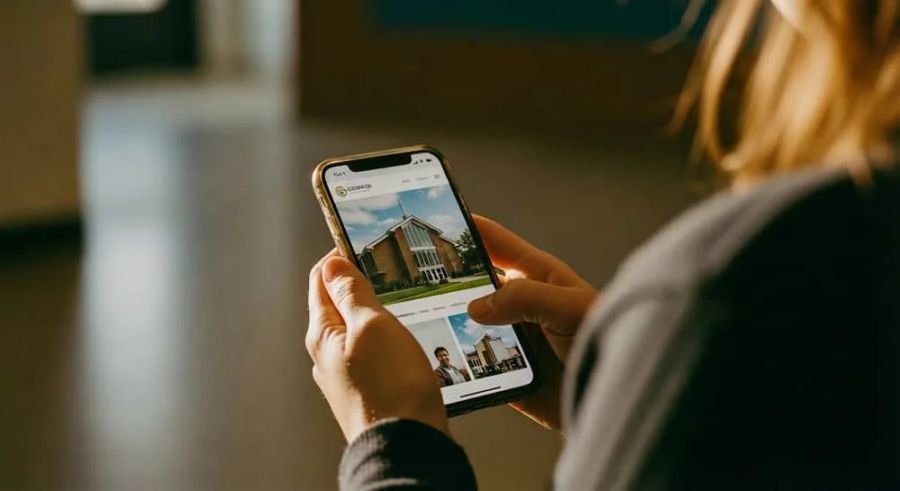
Update your website first. Before a single postcard goes out, make sure your site has the right service times, the new series info, and a clear "plan your visit" path. Almost every guest checks the website before they check the address. If it's out of date, the mailer just paid for a bad first impression.
None of It Matters Without Follow Up
Here's the hard truth, and it's the part most churches skip.
You can nail the series. You can send the mailers. You can post every day for a month. And if a first time family visits, fills out nothing, hears from no one, and slips back out the door, all of that work bought you exactly one visit.
The fall spike isn't really about getting people in the door. August does that for you. The spike is about what happens in the seven days after they visit. That's where fall guests become spring members, or don't.
So before you spend a dollar on promotion, answer these questions:
How does a guest identify themselves? A connect card, a QR code on the screen, a text keyword, a tear off in the bulletin. Pick something and make it stupid simple. If it takes more than a minute to fill out, most people won't.
What happens within 48 hours? Someone should reach out within two days, and it should feel personal, not automated. A short email or text from an actual person: "Hey, so glad you were with us Sunday. Can I answer anything?" That's it. No pressure, no fifteen paragraph welcome packet.
What's the next step you're inviting them to? A newcomer lunch, a coffee with a pastor, a fall small group launch. Give them one clear next thing, not a brochure of options.
Who owns this? Not "the church." A name. A specific person who checks the cards Monday morning and makes sure every guest hears from someone. If it's everyone's job, it's no one's job.
If you don't have this system yet, build it before you promote anything. A church with great follow up and zero mailers will out-grow a church with great mailers and zero follow up every single time.
Put Your Ministries Front and Center
One more thing, and it's especially true in the fall: families choosing a church in August are choosing for the whole family.
Mom and Dad might love the sermon, but if they don't know you have a solid kids ministry, a youth group that meets Wednesday nights, or a college ministry two miles from campus, they're going to keep looking. And here's the kicker. They won't ask. They'll just assume you don't have it.
So for those first few weeks of the fall, over-communicate what your church offers:
From the stage. A thirty second, well prepared highlight of a different ministry each week. Not a rushed announcement. An actual spotlight, ideally with the leader's face attached to it.
In the lobby. Simple signage or a table where the kids and youth teams can actually meet parents. A parent who meets the kids director in week one is a parent who comes back in week two.
Online. A post per ministry during launch season. Photos of real people, first names of real leaders, and the plain details: who it's for, when it meets, where to show up.
Youth, kids, and college ministries all kick off their fall programming in these same weeks, which makes this the natural time to talk about them. A family that connects to two ministries sticks around. A family that only connects to a Sunday service is one busy weekend away from disappearing.
The Fall Doesn't Wait
Mid August is coming whether your church plans for it or not. The families will be driving past your building either way, resetting their routines, quietly deciding what their fall is going to look like.
The playbook isn't complicated. Launch a series they can walk into. Tell people about it where they actually are. Have a follow up system ready before the first guest arrives. And make sure every family that visits can see there's a place for every person they brought with them.
You don't need a big budget or a big staff to do this. You need a calendar, a plan, and about six weeks of head start. Which, if you're reading this now, you've probably still got.
Sunday's coming. So is the fall. Let's be ready for both.

Want the next drop?
A fresh set of ideas lands every week. Join the Squad and never miss one.